


Alexander the First of Scotland

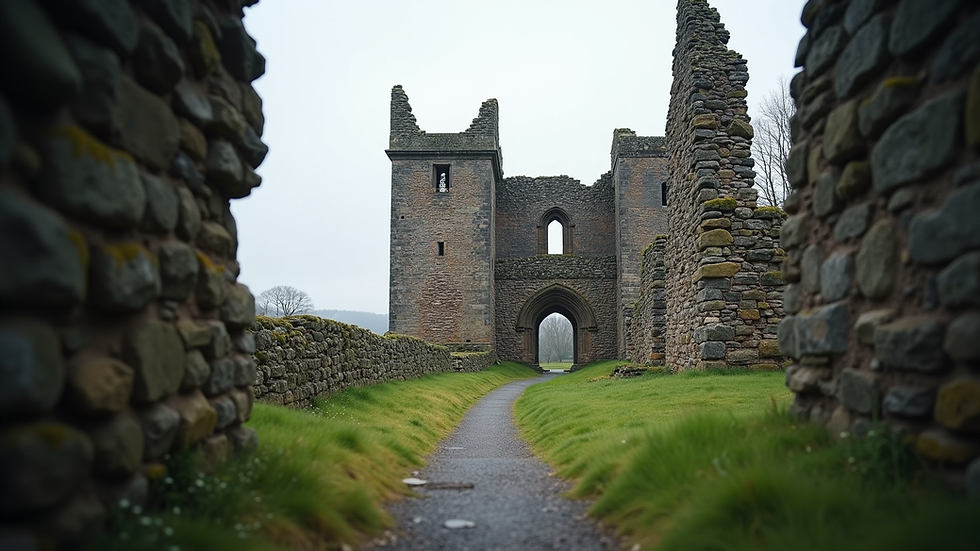
Alexander the First of Scotland is a figure wrapped in the mist of history, a king whose reign marked a turning point in medieval Scotland. His story is not just about battles and crowns but about the shaping of a nation caught between old traditions and new influences. I find his life fascinating because it blends the harsh realities of medieval rule with the subtle shifts that would lead Scotland into a new era.
The Early Life of Alexander I
Alexander was born around 1078, the son of King Malcolm III and Queen Margaret. His upbringing was steeped in the complex politics of Scotland and its relations with England and the Norse territories. Unlike many rulers who came before him, Alexander was educated in the Christian faith, thanks to his mother’s influence, which played a significant role in his later decisions as king.
Growing up, Alexander witnessed the struggles of his family to maintain power amid constant threats. His father, Malcolm III, had fought hard to secure the throne, and Alexander inherited a kingdom still fragile and divided. This early exposure to conflict and faith shaped his character deeply.
Alexander’s Reign and Challenges
Alexander became king in 1107 after the death of his brother, King Edgar. His reign lasted until 1124, a relatively short period but packed with significant events. One of his main challenges was to assert control over a kingdom that was still fragmented by regional loyalties and external pressures.
He worked to strengthen the monarchy by supporting the church, which was gaining influence in Scotland. This alliance helped him consolidate power and bring some order to the realm. Alexander also faced threats from England and the Norse, who had interests in Scottish lands.
During his reign, Alexander was known for his efforts to build and restore churches and monasteries. This was not just a spiritual mission but a political one, as these institutions helped unify the people under a common faith and law.
The Role of Religion in Alexander’s Rule
Religion was central to Alexander’s reign. His mother, Queen Margaret, had introduced reforms that aligned the Scottish church more closely with Rome. Alexander continued this work, promoting the church as a stabilizing force in the kingdom.
He supported the establishment of new bishoprics and encouraged the spread of Christian practices. This religious focus helped to bring Scotland into the wider European community, moving it away from its earlier, more isolated Celtic traditions.
The church also served as a tool for governance. Monks and clergy were often advisors to the king, helping to administer justice and maintain records. Alexander’s support for the church was a key part of his strategy to strengthen royal authority.

Alexander’s Legacy and Historical Impact
Alexander’s reign may not have been marked by grand conquests or dramatic battles, but his impact on Scotland was profound. He laid the groundwork for a more unified kingdom and helped integrate Scotland into the Christian world of medieval Europe.
His support for the church and efforts to centralize power influenced his successors, who continued to build on his foundations. Alexander’s reign represents a bridge between the old ways of Scottish kingship and the emerging medieval state.
One of the lasting legacies of Alexander’s time is the way he balanced tradition with change. He respected the old customs but was not afraid to embrace new ideas that would strengthen his kingdom.
Exploring Scottish History with Authentic Resources
For those interested in diving deeper into the world of Alexander the First, I recommend exploring historical maps and documents that bring this era to life. One excellent resource is the Scottish Historical Maps Collection, which offers detailed maps showing the shifting borders and key sites of medieval Scotland. These maps help us understand the geographical challenges Alexander faced.
Another valuable tool is the Medieval Manuscript Archive, where you can find translated texts and records from Alexander’s time. These documents provide insight into the daily life, laws, and religious practices of the period.
Both resources are available online and offer a rich, immersive experience for anyone fascinated by Scotland’s past.
Comparing Historical Resources for Scottish Kings
When researching Alexander I, I found it useful to compare different types of resources. For example, the Scottish Historical Maps Collection gives a visual sense of the kingdom’s layout, while the Medieval Manuscript Archive offers written records that reveal the social and political context.
Using these together paints a fuller picture. Maps show where battles or church foundations took place, while manuscripts explain why those events mattered. This combination helps bring history out of the shadows and into a clearer light.
If you want to explore these resources, you can visit the Scottish Historical Maps Collection and the Medieval Manuscript Archive.

Why Alexander the First Still Matters Today
Alexander’s story is more than just a chapter in a history book. It’s a reminder of how leadership, faith, and culture shape a nation. His reign shows us the power of quiet strength and steady progress, even in times of uncertainty.
For readers who enjoy dark fantasy and historical fiction, Alexander’s Scotland offers a rich backdrop. The mix of old beliefs, emerging Christianity, and political intrigue creates a world full of mystery and tension. It’s a place where the past feels alive, and the shadows of history whisper stories waiting to be told.
Exploring Alexander’s life helps us understand the roots of Scotland’s identity and the forces that shaped its future. It’s a journey into a time when kings ruled not just with swords but with faith and vision.
Alexander the First’s reign may not be the most famous, but it is a vital piece of Scotland’s story. His efforts to unite his kingdom and support the church set the stage for the Scotland we know today. For anyone drawn to tales of old kings and ancient lands, his life offers a fascinating glimpse into a world where history and legend meet.
If you want to explore more about Scotland’s medieval past, consider using the Scottish Historical Maps Collection and the Medieval Manuscript Archive to deepen your understanding. These tools bring history closer, making the distant past feel vivid and real.
Discovering Alexander the First is like opening a door to a Scotland both strange and familiar, a land where the past breathes through stone and story.


Comments